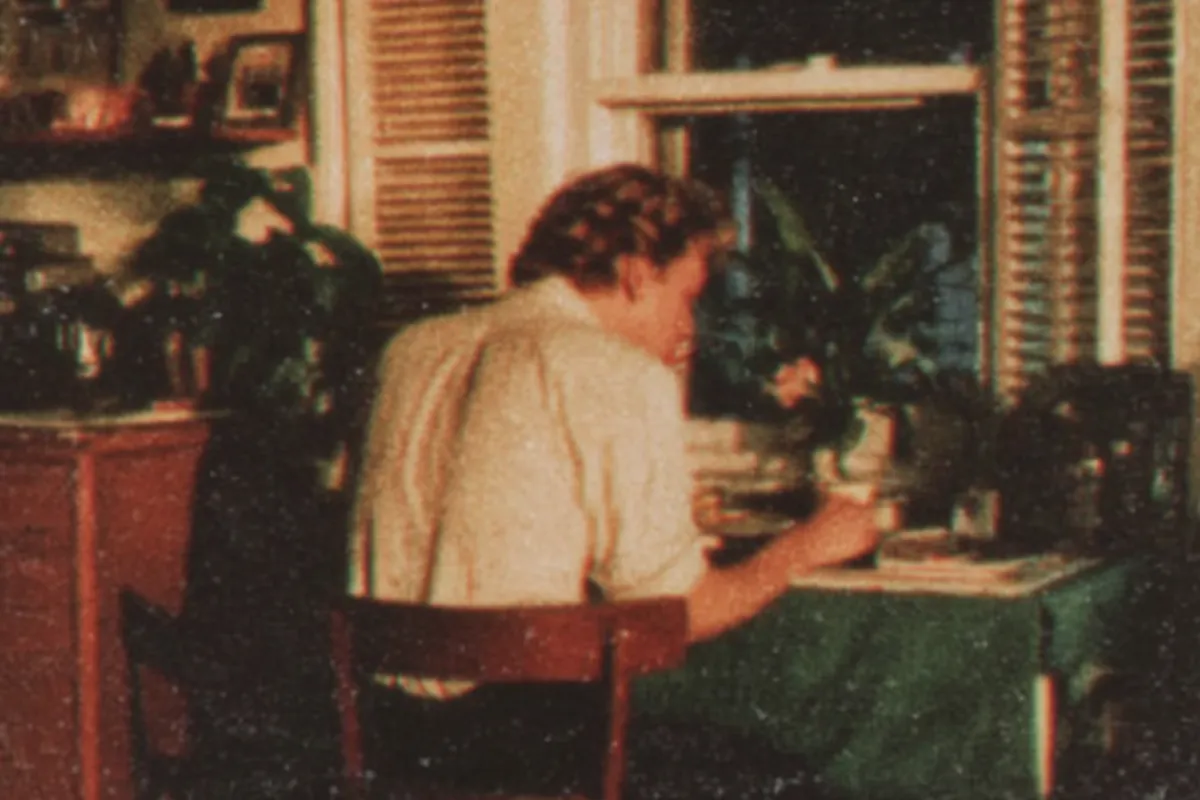
Gradual withdrawal from social contact
The person starts declining invitations, cancelling plans they once enjoyed, or stops calling family and friends without any obvious reason. Their social circle quietly shrinks. Unlike a one-off bad day, this withdrawal is sustained and the person shows no interest in finding alternative social contact or reviving relationships that have gone cold.
If the withdrawal is self-imposed, has lasted more than three weeks, and is combined with sadness or indifference towards activities they once looked forward to. Pay particular attention if they were previously sociable and now systematically refuse all contact.
Excessive dependence on calls or visits
On the other end of the spectrum, some lonely older adults prolong conversations, call repeatedly throughout the day, or become visibly distressed when a visit ends. Each goodbye can feel like an abandonment. This behaviour reveals a deep emotional need that is not being met by the current frequency of contact.
When the anxiety around farewells disrupts daily life, creates tension with family and carers, or is accompanied by crying or pleas for the visit not to end. That level of separation anxiety warrants professional attention.
Loss of motivation and sense of purpose
They give up hobbies they used to enjoy, stop caring for their home, or neglect personal appearance. Remarks such as 'what is the point if I am on my own' or 'nothing matters to me anymore' suggest they feel their life has lost meaning. This lack of purpose goes beyond laziness — it is the expression of not feeling needed or valued by anyone.
If the loss of motivation affects basic self-care such as hygiene, eating, or medication for more than two weeks. When a person stops looking after themselves, they may be communicating that they no longer see a reason to do so.
Low mood, apathy, or increased irritability
Chronic loneliness creates a persistent emotional ache that can show up as sadness, emotional bluntness, or paradoxically, irritability and short temper. The person may become more sensitive to criticism and react disproportionately to minor frustrations. These emotional changes are driven by chronically elevated cortisol, the stress hormone, caused by the absence of social contact.
When mood changes are frequent, intense, and have lasted more than three weeks. Pay particular attention if someone who was once even-tempered and warm now regularly shows anger, tearfulness, or apathy with no medical explanation.
Repeated complaints of feeling misunderstood or invisible
They frequently say no one understands them, that everyone is always too busy, or that they no longer matter to anyone. These are not simply complaints — they are expressions of an unmet need for genuine human connection. They are often delivered indirectly, through sighs, casual comments, or comparisons with how things used to be.
If comments about feeling invisible or irrelevant become constant and are accompanied by tearfulness, hopelessness, or phrases like 'there is no place for me anymore'. These expressions may indicate a risk of depression requiring professional assessment.
Accelerated cognitive decline
The absence of social stimulation reduces mental activity and can speed up cognitive decline. Someone who only occasionally forgot names may begin to show greater confusion, difficulty following conversations, or increased disorientation. Research shows that social isolation raises the risk of developing dementia by up to 50%.
Any noticeable change in memory, orientation in time and place, or ability to follow a conversation should be discussed with a GP. If the decline coincides with a period of increased isolation, it is important to address both together.
More frequent physical complaints with no clear cause
Social pain activates the same neurological pathways as physical pain. It is not uncommon for lonely older adults to report more aches, greater fatigue, and a general sense of feeling unwell when medical tests consistently find nothing wrong. These somatisations are real for the person and should not be dismissed, even though their origin is emotional.
If GP visits are very frequent and always produce normal results, the person may be seeking human contact as much as medical care. Addressing this pattern requires sensitivity: the point is not to invalidate their pain but to meet the companionship need that drives it.
Disrupted sleep patterns
Loneliness and lack of daytime stimulation disrupt circadian rhythms. The person may struggle to fall asleep, wake very early, or spend long stretches in bed during the day as a way of passing time. The bed becomes a refuge from a day without structure or expectations, which feeds the cycle of inactivity and isolation.
If sleep problems persist for more than three weeks alongside extreme tiredness, low mood during the day, or drowsiness that prevents normal activities. Chronically disrupted sleep worsens every other sign of loneliness.
Television or radio as sole companion
The television is on all day, not as chosen entertainment but as background noise to fill the silence. The person does not select specific programmes or comment on what they watch — they simply need to hear human voices to avoid feeling completely alone. Some family members are reassured by the TV being on, not realising it indicates the very opposite of being well-accompanied.
If the television is on continuously, the person cannot sleep without it, and they become distressed when it is switched off, it is a clear sign that silence feels unbearable and the need for real companionship is urgent.
Talking to objects, pets, or absent people
They hold conversations with a photograph of their late partner, speak aloud to themselves as though in dialogue, or direct long chats to a pet as their only companion. This is not necessarily pathological, but it signals that the person needs to talk and has no one to turn to. It is a way of meeting a fundamental human need when real people are unavailable.
If conversations with absent people are accompanied by confusion about whether the person is actually present, if they respond as though receiving answers, or if delusional ideas emerge. In that case, cognitive decline should be ruled out through a professional assessment.