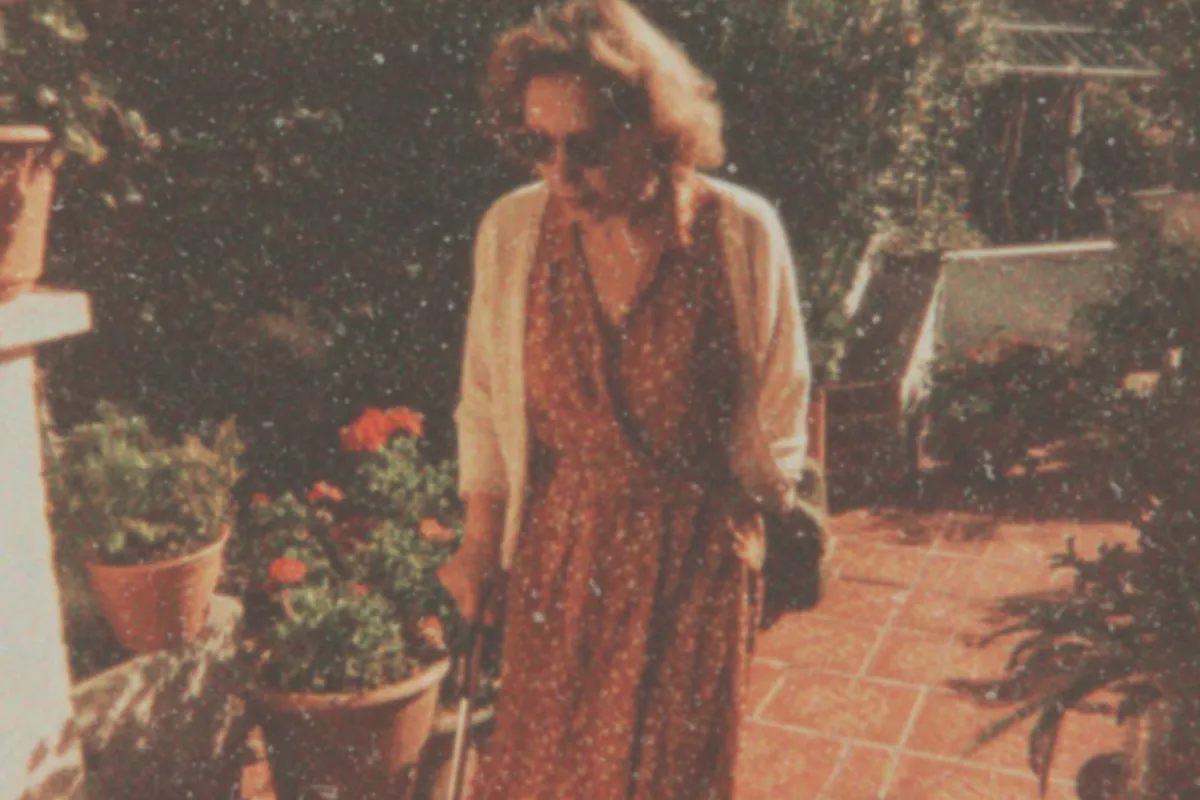
Why mobility declines with age
Reduced mobility rarely arrives all at once. For most people it is a gradual process that unfolds over months or years: joints become stiffer, muscles lose mass and strength, balance deteriorates. However, certain conditions or events such as a fall or stroke can accelerate the decline abruptly, marking a clear turning point in the person's life.
Sarcopenia — the progressive loss of muscle mass associated with ageing — is one of the least visible but most significant factors. From the age of 50, between 1 and 2 percent of muscle mass is lost each year. By 80, a person may have lost up to 40% of their original muscle strength. The good news is that sarcopenia can be slowed and even partially reversed with appropriate exercise and nutrition.
Understanding the causes enables families to act before the loss of mobility becomes an irreversible problem. Many of the factors that contribute to functional decline are treatable, or at least manageable, when identified in time.
How reduced mobility changes everyday life
Losing mobility is not just a physical problem. It fundamentally changes how a person relates to their surroundings and to others. Tasks that were once automatic — showering, making breakfast, stepping outside — now require planning, effort, and often someone else's help. This growing dependency is one of the hardest things to accept for someone who has always been independent.
Over time, many older adults stop asking for help to avoid feeling like a burden, which leads to quiet isolation. They cancel plans because getting there is too complicated. They call less because they feel they have nothing to say now that they rarely go out. The social circle shrinks without anyone consciously deciding it should, and loneliness takes hold gradually.
Nutrition suffers too. Cooking requires standing, moving around the kitchen, and carrying weight. When this becomes difficult, many older people resort to easy, low-nutrient meals, or stop cooking altogether. Malnutrition worsens muscle weakness and closes a cycle that becomes increasingly hard to break.
The emotional impact: frustration, grief, and loss of identity
For many older people, mobility was closely tied to who they were: the grandfather who fetched the morning bread, the grandmother who tended her garden, the one who always organised the outings. Losing that capacity is not just losing function — it is losing a part of yourself. The grief over lost independence is real and deserves acknowledgement from the family, not dismissal with comments like 'well, at your age, that is normal'.
Frustration is usually the first response. Sadness often follows, and without emotional support, this can develop into clinical depression. According to WHO data, people with reduced mobility are twice as likely to develop depression as their peers without physical limitations. Recognising that emotional suffering matters just as much as managing physical pain.
Asking 'how are you feeling today?' and genuinely waiting for the answer can open conversations that matter more than we might imagine. Many older people with reduced mobility need to talk about their frustration, their fears, and what they miss, but they do not do so because they believe no one wants to hear it.
Adapting the home to restore safety and independence
A well-adapted home can give an older person back independence that seemed lost. Major renovations are rarely necessary — small changes can dramatically reduce the risk of falls and make moving around the house much easier. The key is to look at each room from the perspective of someone who moves with difficulty, who may lose balance, or who needs support to stand.
The most effective adaptations are often the simplest and cheapest. Removing loose rugs and floor-level objects eliminates the main causes of trips. Installing grab rails beside the toilet and inside the shower transforms one of the home's highest-risk areas. Ensuring corridors and stairs are well lit at night prevents night-time falls, which are particularly dangerous.
It is also worth reviewing furniture heights. A bed that is too low makes it hard to get up; an armchair that is too soft traps. Everyday items should be at arm's reach without stretching or bending. These small decisions, which seem like details, can make the difference between independence and dependence for someone with limited mobility.
Adapted exercise: keeping the body active within its limits
The most common mistake when an older person loses mobility is to assume they can no longer exercise. The truth is the opposite: adapted exercise is the single most effective tool for slowing decline, rebuilding strength, and preventing falls. Even people with very limited mobility can benefit from supervised exercise programmes.
Chair-based exercises are an excellent starting point: arm movements, leg lifts, ankle rotations, and hand-grip exercises. A physiotherapist can design a personalised routine the person can do independently or with minimal help. Fifteen to twenty minutes a day can make a genuine difference to muscle strength, balance, and confidence in moving.
Home physiotherapy is increasingly accessible in Spain, both through the public health system and privately. If your loved one has reduced mobility, requesting a physiotherapy referral should be among the first steps you take. Research shows that older adults who exercise regularly, even moderately, reduce their fall risk by 30% and maintain their independence for longer.
Staying active and connected without leaving home
Reduced mobility does not have to mean isolation. There are many ways to stay mentally active, enjoy the day, and feel connected to others without leaving the chair or the bed. The key is finding activities that match the person's current abilities, not the ones they had before.
Reading, listening to audiobooks or podcasts, doing crosswords, watching films with a family member, painting, knitting, calling old friends. Daily conversation in particular is one of the most powerful and most underused tools against isolation. It requires no movement, has no cost, and its cognitive and emotional benefits are well documented.
Day centres and telecare programmes also offer options for people with reduced mobility. Some local councils organise telephone group activities such as reading circles or conversation groups that allow socialising without leaving the house. Exploring what resources are available in your area can open doors you did not know existed.
The phone as a window to the world when the front door stays shut
A phone call requires no getting up, no getting dressed, no going anywhere. For someone with reduced mobility, that is not a small detail — it is precisely what makes the telephone such an extraordinarily valuable connection tool. Talking to someone who listens, who remembers what you said yesterday, and who asks with genuine interest can transform a long, silent day into one with a moment of warmth.
When family cannot call every single day, a daily phone companionship service can fill that gap with consistency and warmth. It does not replace a hug or a visit, but it does ensure there is a friendly voice at the end of the line, at the same time, every morning. For people who spend most of their day at home, that call can be the most anticipated moment of their day.
What matters most is that the older person knows they will have at least one real conversation every day. That daily anchor, however brief, gives them structure, gives them company, and reminds them they have not been forgotten. Social connection does not require mobility — it only requires someone to be there on the other end.