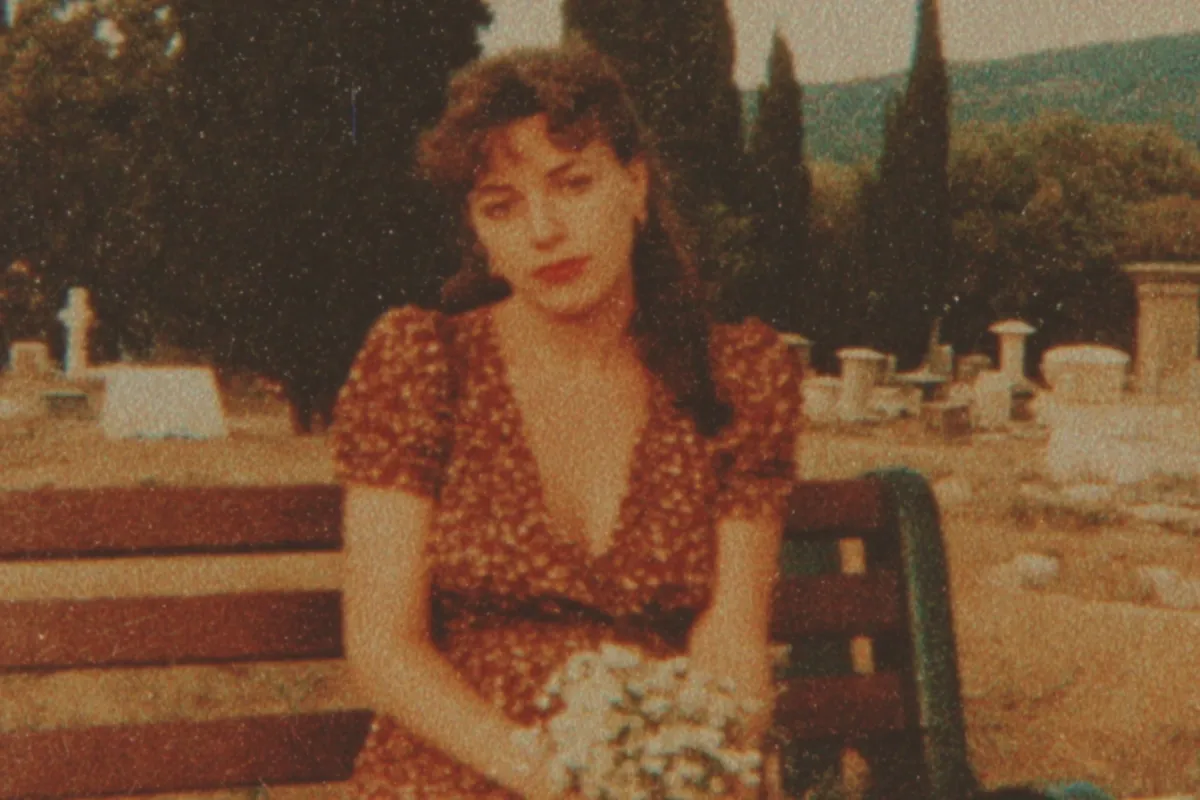
What grief looks like in older adults
Grief in later life has its own characteristics that families benefit from understanding. Unlike younger adults, many older people face multiple losses in a short space of time — a spouse, close friends, neighbours they have known for decades. Each loss layers on top of the others, and the process becomes more complex with each one. Psychogerontologists call this 'cumulative grief', and consider it one of the most significant emotional risk factors in old age.
Losing a partner after fifty years together is not just losing a person. It means losing a daily routine, a role, an identity. Some people have never cooked a meal alone, or managed the household paperwork. Grief often arrives with the collapse of ordinary life as it was known, bringing a profound sense of helplessness that goes well beyond sadness.
Research from the Complutense University of Madrid found that older adults who lose a spouse are 48% more likely to develop a depressive episode in the following year. Yet with the right support, the majority do rebuild a life with meaning. The crucial factor is that they do not walk that path alone.
Signs that grief is becoming overwhelming
In the first weeks after a loss, deep sadness, frequent tears, and a sense of numbness are entirely normal responses. What warrants closer attention is when those responses persist beyond six months without any signs of easing, or when certain behaviours appear that go beyond what might be expected.
It is worth noting that many older adults tend to play down their suffering, insisting they are fine when they are not. Others express their distress through physical symptoms: headaches, digestive trouble, muscle tension. Learning to read these signals allows families to step in before grief becomes seriously complicated.
The Spanish Society of Geriatrics and Gerontology advises paying particularly close attention during the first year, when the risk of medical and emotional complications is at its peak. Anniversaries, holidays, and dates of personal significance often reignite the pain with an intensity that can catch families off guard.
The physical toll of grief
Grief is not only emotional. In older adults, losing a loved one has documented physical consequences. The first year after a spouse's death is the highest-risk period: hospital admissions increase, chronic conditions become harder to manage, and the immune system weakens significantly. A meta-analysis published in Psychosomatic Medicine found that bereavement raises inflammatory markers and suppresses immune function for up to twelve months after the loss.
Broken heart syndrome — a stress-induced cardiomyopathy — occurs more frequently in older adults following a sudden loss. This is not a metaphor: the heart responds literally to emotional pain. Researchers writing in the British Medical Journal documented that the risk of heart attack doubles in the first 24 hours after a loved one's death.
This is why companionship and support during bereavement is, at its core, also a matter of physical health. Making sure the bereaved person takes their medication, attends medical appointments, and eats adequately is not a minor detail — it is active prevention of complications that can be serious.
How to be there without saying the wrong thing
One of the most common worries families have is not knowing what to say. The reassuring truth is that the most important thing is not finding the perfect words — it is simply being present. Listening without rushing, without changing the subject when things get hard, without reaching for well-meaning phrases that often hurt more than they help.
There are things worth avoiding even when they come from a place of love: 'you need to stay strong', 'it has been long enough now', 'at least they did not suffer', 'that is just life'. These phrases tend to close the door on real feeling. A simple question like 'do you want to tell me how you are today?' can open conversations that change everything.
Something families do not always see is that grief does not follow a fixed timetable. There may be better weeks, then a sudden setback triggered by a photograph or a significant date. Respecting that rhythm, without imposing deadlines or expectations, is one of the most genuine forms of support. Sustained patience, week after week, is worth more than any single grand gesture.
Normal grief versus complicated grief
Normal grief, however painful, has a movement to it. The most intense moments gradually space out over time. The person remains sad, but slowly reclaims small corners of life — a smile at a good memory, the desire for a coffee with someone, a return of interest in the outside world. This process may take months or even a year or two, and it is still considered normal as long as there is some forward movement.
Complicated grief gets stuck. It does not move. The pain does not ease after many months, the person cannot re-engage with any meaningful activity, and the deceased occupies their entire reality in a way that prevents living. The DSM-5 now recognises prolonged grief disorder as a clinical diagnosis when symptoms persist beyond twelve months at a debilitating intensity.
In these cases, the help of a mental health professional who specialises in bereavement is not optional — it is needed. Grief-focused therapy has demonstrated significant effectiveness, particularly approaches centred on emotional processing and meaning reconstruction. A GP can arrange the appropriate referral to psychological or psychiatric services.
Daily conversation as a lifeline through bereavement
Grief is easier to carry when there is someone to talk to every day. Not always about the loss itself — sometimes about what happened that morning, a memory from forty years ago, a song on the radio. Regular conversation gives structure to days that, after a loss, can stretch out long and empty.
For many older adults who live alone or whose family is far away, the absence of daily conversation is one of the hardest parts of bereavement. Research by the La Caixa Foundation on loneliness and ageing found that 60% of bereaved older adults identify the lack of daily conversation as their greatest source of suffering — ranking it above even the emotional pain of the loss itself.
Knowing that a phone call is waiting for them each day — someone who will ask how they are, who remembers the name of the person they lost, who has time to listen — can make a real and lasting difference. This is not about replacing professional support when it is needed, but about meeting that basic, everyday need to feel heard and accompanied.