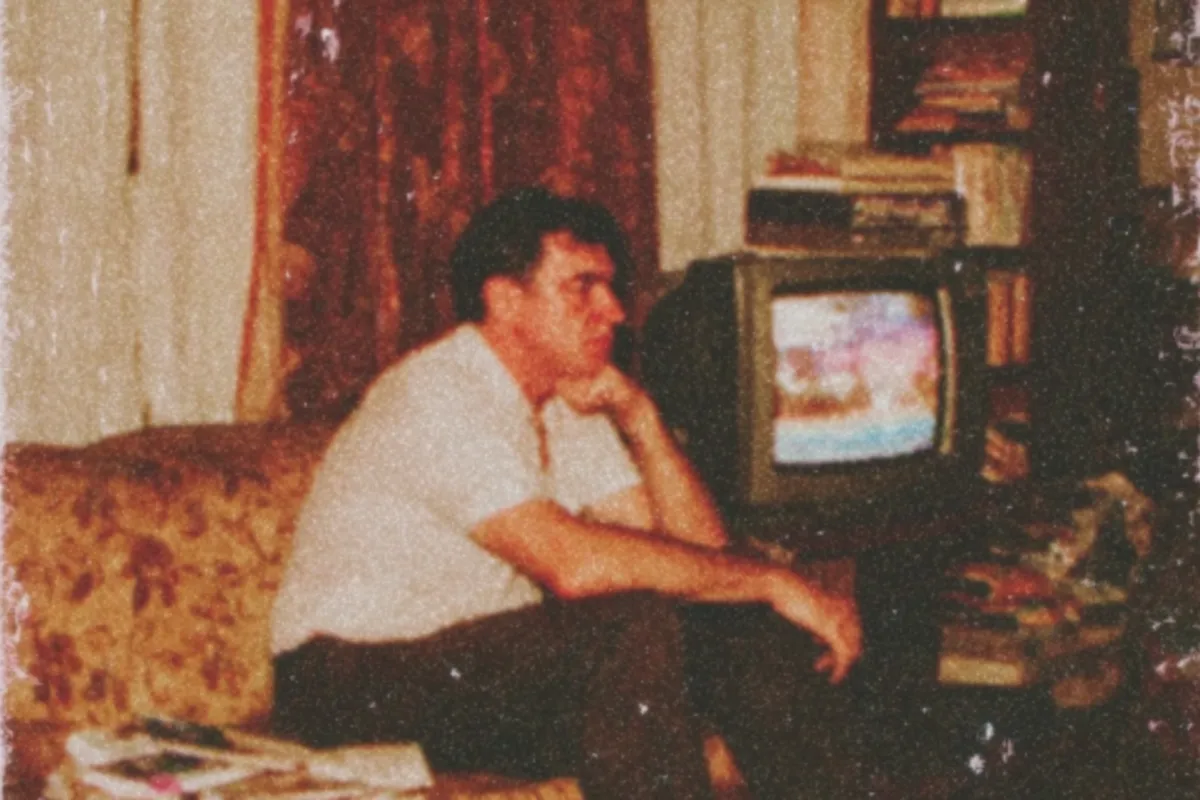
Why depression in older adults goes unnoticed
Depression in an older person rarely looks the way we might expect. There is not always crying or dramatic expressions of sadness. More often, it surfaces as constant fatigue, loss of appetite, vague aches, or a gradual withdrawal from everything that once mattered. Clinicians call this 'masked depression' because it hides behind symptoms that appear purely physical.
There is a cultural problem that makes things worse: we tend to assume that it is normal to be sad when you are old, that 'at their age, what can you expect?' This resignation means that many cases of depression go undiagnosed and untreated, with serious consequences for quality of life. According to the WHO, fewer than 20% of older adults with depression receive adequate treatment.
What is more, the older person often normalises their own state. Phrases like 'I'm no use to anyone any more' or 'everything is harder at my age' can conceal clinical suffering that needs attention. Listening carefully to what they say — and what they stop saying — is the first step towards helping.
Symptoms families should be aware of
Some symptoms of depression in older adults are easy to mistake for other things. That is why it is so important to look at the overall picture and notice changes from how your loved one used to be. Research in the Journal of the American Geriatrics Society notes that irritability and somatic complaints are more common than overt sadness in older adults with depression.
Look beyond words. Have they stopped calling friends? Is the house less tidy than it used to be? Have their grooming habits changed? These seemingly minor shifts can be the visible expression of an emotional state that needs attention.
Factors that increase the risk
Depression does not arise from a single cause. In older adults, it is usually the result of multiple factors building up: losses, health changes, and a shrinking social world. The Spanish Society of Psychiatry estimates that bereavement, chronic illness, and social isolation are the three main triggers in adults over 70.
Biological factors also play a role. Age-related brain changes, reduced levels of neurotransmitters such as serotonin, and certain neurological conditions can predispose someone to depression. That is why the approach needs to be holistic: medical, psychological, and social.
Knowing these risk factors is not about blame — it is about vigilance. When several converge in a short space of time — for instance, bereavement followed by a mobility problem — the risk multiplies, and the support network needs strengthening.
How depression affects physical health
Depression is not merely an emotional problem — it has direct consequences for an older person's physical health. A meta-analysis published in JAMA Psychiatry showed that older adults with depression have a 30% higher risk of a cardiovascular event, and their immune systems exhibit a chronic inflammatory response that makes them more vulnerable to infections.
Cognitively, untreated depression accelerates decline. So-called 'depressive pseudodementia' — cognitive impairment caused by depression that mimics dementia — affects a significant proportion of older adults and can be reversed with the right treatment. Without a proper diagnosis, it is mistaken for irreversible decline, and the window for intervention is lost.
Research has also documented that older adults with depression face a higher risk of falls, poorer adherence to medical treatments, and longer hospital stays. Treating depression is not a luxury — it is a medical necessity that improves every health indicator.
What you can do as a family
The most important thing: do not minimise what is happening. Phrases like 'cheer up', 'don't think about it', or 'you just need to try harder' do not help and may cause your loved one to shut down further. Depression is not cured by willpower — it is an illness that needs proper attention.
Your role as a family is essential — not as therapists, but as a support network that detects, accompanies, and helps facilitate access to professional treatment. Research on social support networks in older adults, published in The Gerontologist, confirms that the single most powerful protective factor against depression is having at least one person to talk to every day.
Do not forget to look after yourselves too. Supporting a family member with depression can be emotionally draining. Seeking help from family carer associations or mutual support groups is not weakness — it is wisdom.
Treatment: what actually works
The good news is that depression in older adults responds well to treatment when it is properly addressed. A GP or psychiatrist can assess whether antidepressant medication is needed, which in many cases significantly improves symptoms within four to six weeks. Newer antidepressants have far more manageable side-effect profiles than older generations of the drug.
Psychotherapy — particularly cognitive behavioural therapy adapted for older adults — has proven effective in clinical trials published in The Lancet Psychiatry. And there is a third pillar that is often underestimated: social activation. Having someone to talk to every day, feeling heard, knowing that someone genuinely cares about how you are doing. This does not replace medical treatment, but it complements it powerfully.
The combination of all three approaches — medication when necessary, psychological therapy, and social reactivation — produces the best outcomes. Treatment should be supervised by professionals, but the family's role in ensuring adherence and follow-through is irreplaceable.
Daily companionship as a protective factor
Research confirms that regular social contact reduces depressive symptoms in older adults. We are not talking about therapy or clinical intervention, but about something more fundamental: the certainty that every day, someone will be on the other end of the phone — someone who asks, listens, and talks with genuine warmth.
For many older people with depression, morning is the hardest part of the day. Knowing that at ten o'clock the phone will ring and a pleasant conversation awaits can be the nudge they need to get up, get ready, and start the day with a different outlook.
A longitudinal study from Harvard University, which followed over 700 older adults for a decade, concluded that those who maintained at least one meaningful social interaction each day showed 50% fewer depressive symptoms. Daily conversation is, in itself, a form of care.