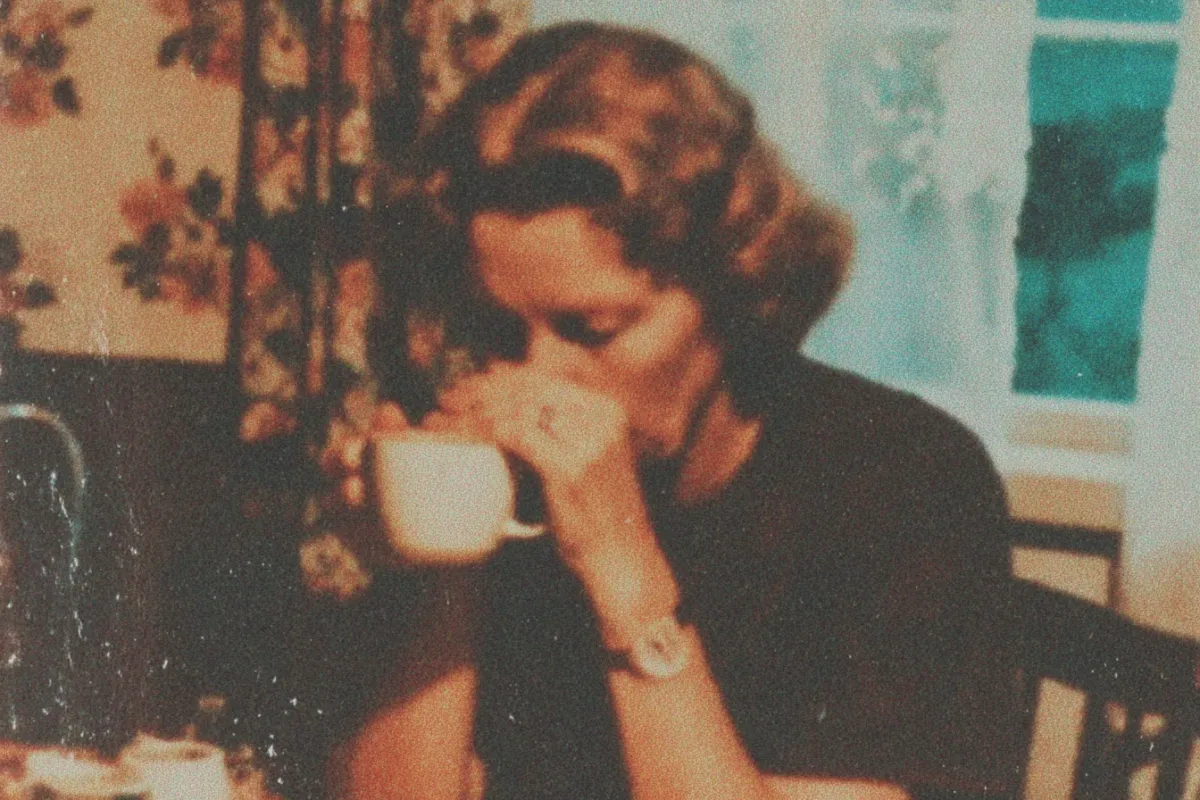
How anxiety presents differently in older people
Anxiety in older adults rarely looks like the textbook version. There are seldom dramatic panic attacks, and the person may never say they feel anxious. What families notice instead is subtler: a mother who has stopped wanting to leave the house, a father who calls three times to confirm a single appointment, or a relative whose unexplained palpitations and dizziness no doctor can pin down.
This disguise makes diagnosis difficult. Research published in the International Journal of Geriatric Psychiatry estimates that up to 50% of anxiety cases in older adults are initially diagnosed as cardiac or digestive problems. Anxiety is often treated as a physical condition for months before anyone identifies it for what it truly is.
There is also a persistent myth that older people 'worry because that is just what happens at their age.' This belief trivialises genuine suffering and delays appropriate help. Clinical anxiety is not a feature of old age — it is a treatable condition that deserves professional attention.
Physical and emotional symptoms to watch for
Anxiety affects the body as much as the mind. In older adults, physical symptoms are often the first warning sign. Pay attention if your loved one shows any of the following on a persistent basis.
What separates ordinary worry from clinical anxiety is the intensity, duration, and impact on daily life. If symptoms have been present for more than two weeks and are affecting sleep, appetite, or the ability to enjoy the day, it is time to take action.
Causes and triggers: what drives anxiety in later life
Anxiety in older age rarely has a single cause. It tends to stem from an accumulation of losses, life changes, and a growing sense of losing control over what happens next. According to research in Aging & Mental Health, unchosen life transitions — bereavement, hospitalisation, moving home — are the most common triggers in adults over 75.
Certain factors are particularly relevant in this age group. Understanding them will help you make sense of what your loved one is going through and anticipate periods of heightened vulnerability.
It is worth knowing that some medications commonly prescribed to older adults can cause or worsen anxiety symptoms. If you suspect a drug may be contributing, always discuss it with their doctor — medication should never be stopped without medical guidance.
How anxiety affects daily life and overall health
Sustained anxiety does more than create emotional distress — it reshapes the older person's daily routine and, with it, the family's. What begins as a specific worry can end up dramatically shrinking their world. They stop going to the shops, cancel medical appointments, decline invitations they would once have welcomed.
Physically, chronic anxiety keeps the body in a constant state of alert. Sustained high cortisol weakens the immune system, worsens existing cardiovascular conditions, and disrupts sleep quality. A study in the American Journal of Geriatric Psychiatry found that older adults with untreated anxiety had 48% more emergency department visits than peers of the same age without the condition.
Cognitively, persistent anxiety impairs concentration and working memory. This can easily be mistaken for cognitive decline, creating a double layer of concern for families. It is essential that a professional carries out a proper differential diagnosis.
Family strategies: how to help without feeding the fear
When you see your loved one anxious, the instinct is to reassure them straight away: 'everything will be fine', 'there is nothing to worry about'. That impulse is understandable, but constant reassurance can quietly reinforce anxiety by teaching the person they need your confirmation to feel safe.
What works better is staying present without rushing to fix things. Listen, acknowledge what they feel, and gently help them rebuild trust in their own ability to manage each day. The clinical psychologist Rocío Fernández-Ballesteros, a specialist in ageing, highlights that perceived autonomy is one of the most powerful protective factors against anxiety in later life.
Predictable routines are especially important. When the older person knows what the day holds — when they will eat, when they will receive a call, when they will go for a walk — uncertainty shrinks, and with it, anxiety.
When to seek professional help
Not every bout of worry is clinical anxiety, but some signs indicate it is time to consult a professional. If symptoms have lasted more than two or three weeks and are affecting sleep, daily functioning, or relationships, it is time to act.
The GP is the right starting point. Bring a list of the symptoms you have observed, with dates if possible — this makes diagnosis considerably easier. From there, a referral to psychology, psychiatry, or both can be arranged, and the question of medication can be properly assessed.
It is worth knowing that brief psychological therapies, particularly cognitive behavioural therapy adapted for older adults, have shown 60-80% effectiveness in treating anxiety in this age group, according to the Cochrane Library. Not everything has to involve medication.
How daily conversation helps reduce anxiety
One of the most effective antidotes to anxiety is social routine: knowing that someone will call, will listen, will remember what was said the day before. That certainty reduces the sense of vulnerability and provides a genuine anchor in daily life.
For many older adults, morning is the hardest time — the mind starts to spiral before they even get up, and the day ahead can feel like an empty space full of potential threats. A calm, unhurried conversation early in the day can completely change how the rest of it unfolds.
Researchers at the University of Michigan found that just ten minutes of social conversation improves executive function and lowers cortisol levels to a degree comparable to structured relaxation exercises. For an older person living with anxiety, that daily call is not a luxury — it is a genuine tool for emotional regulation.