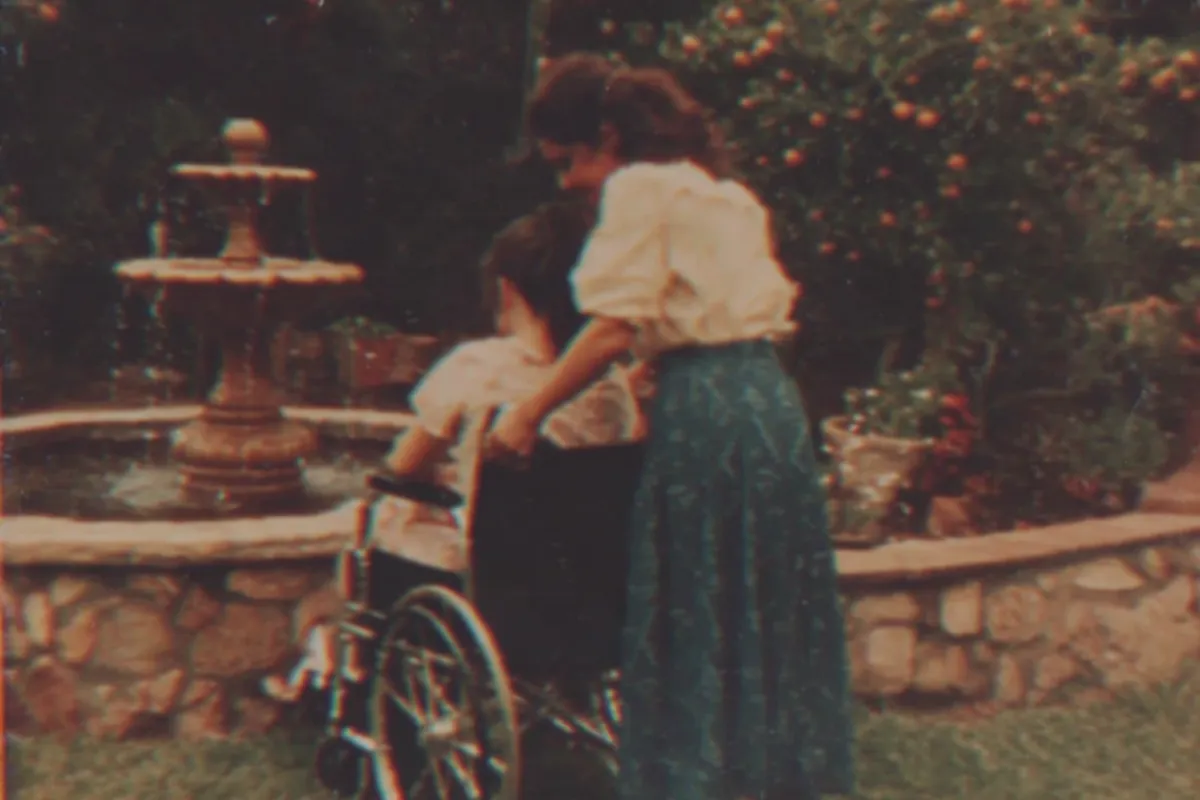
Fall prevention: the first level of intervention
Falls among residents with reduced mobility are not inevitable. Systematic risk assessment using tools such as the Morse Fall Scale or the Tinetti Test identifies the most vulnerable residents and enables individualised preventive measures: environmental adaptations, appropriate assistive devices, and physiotherapy programmes focused on maintaining functional capacity. The key is shifting from a reactive response after a fall to a preventive strategy that anticipates risks.
The physical environment plays a decisive role. Non-slip floors, adequate lighting, handrails in corridors and bathrooms, and properly arranged furniture significantly reduce fall incidence. Staff should review these elements regularly and report any identified hazard, establishing a fast communication circuit between whoever detects the risk and whoever has the authority to address it.
Polypharmacy is another frequently underestimated risk factor. Certain medications commonly prescribed to older adults — antihypertensives, benzodiazepines, diuretics — increase fall risk through orthostatic hypotension or sedation. Periodic medication reviews by the medical team are an essential part of prevention and should be coordinated with the mobility care plan.
Social participation and the risk of exclusion
Reduced mobility can become an invisible barrier that separates residents from the life of the care home. Group activities, communal spaces, and organised outings are often designed for people with functional independence, leaving behind those who have difficulty moving around on their own. This exclusion is not always intentional, but its impact on the person's wellbeing is profound and cumulative.
Care professionals should actively review the accessibility of every activity and ensure that residents with reduced mobility have genuine — not merely token — opportunities to participate. Adapting activities to the room environment, providing assisted transport to communal spaces, and designing programmes specifically for residents who are bedbound or in wheelchairs are measures that make a meaningful difference in the perception of inclusion and belonging.
The link between immobility and depression
Prolonged immobility does not only limit what a person can do — it limits what they can experience: going out to the garden, seeing fellow residents, joining a spontaneous conversation in the corridor. This cumulative loss of everyday experiences is fertile ground for depression and loss of motivation, especially when the person is aware of what they can no longer do.
Care teams should pay close attention to mood changes in residents with reduced mobility, particularly when the limitation is recent or has deteriorated sharply. Tools such as the Geriatric Depression Scale (Yesavage) enable objective, periodic assessment. Detecting depression early is just as important as preventing falls, because emotional state directly influences motivation to participate in rehabilitation and functional maintenance programmes.
Adapted exercise and functional maintenance
The scientific evidence is clear: adapted exercise programmes reduce fall incidence, improve functionality, and have a positive impact on mood. However, in many care homes physiotherapy is limited to post-fall or post-surgical interventions, without a sustained preventive strategy. Functional maintenance should be a cross-cutting goal in the care plan of every resident with compromised mobility.
The most effective programmes combine strength, balance, and flexibility exercises adapted to each person's functional capacity. Even residents in wheelchairs or with very limited mobility can benefit from seated exercise programmes that work upper-limb strength, posture, and breathing. Regularity matters more than intensity: short, frequent sessions achieve better outcomes than sporadic, intensive interventions.
The role of families in maintaining mobility
Families are an underused resource in addressing reduced mobility. Many relatives are unaware of how they can contribute to their loved one's functional maintenance and, with the best of intentions, take on overprotective roles that paradoxically accelerate the loss of independence. Facilitating transfers instead of encouraging walking, or anticipating every need without leaving room for the resident's own initiative, are common patterns.
Care teams can offer families clear guidance on how to support mobility during visits: accompanying short walks in the garden, joining in simple exercises, or simply respecting the person's pace without assuming total dependence. This approach not only improves functional outcomes but transforms visits into moments of active and meaningful connection.