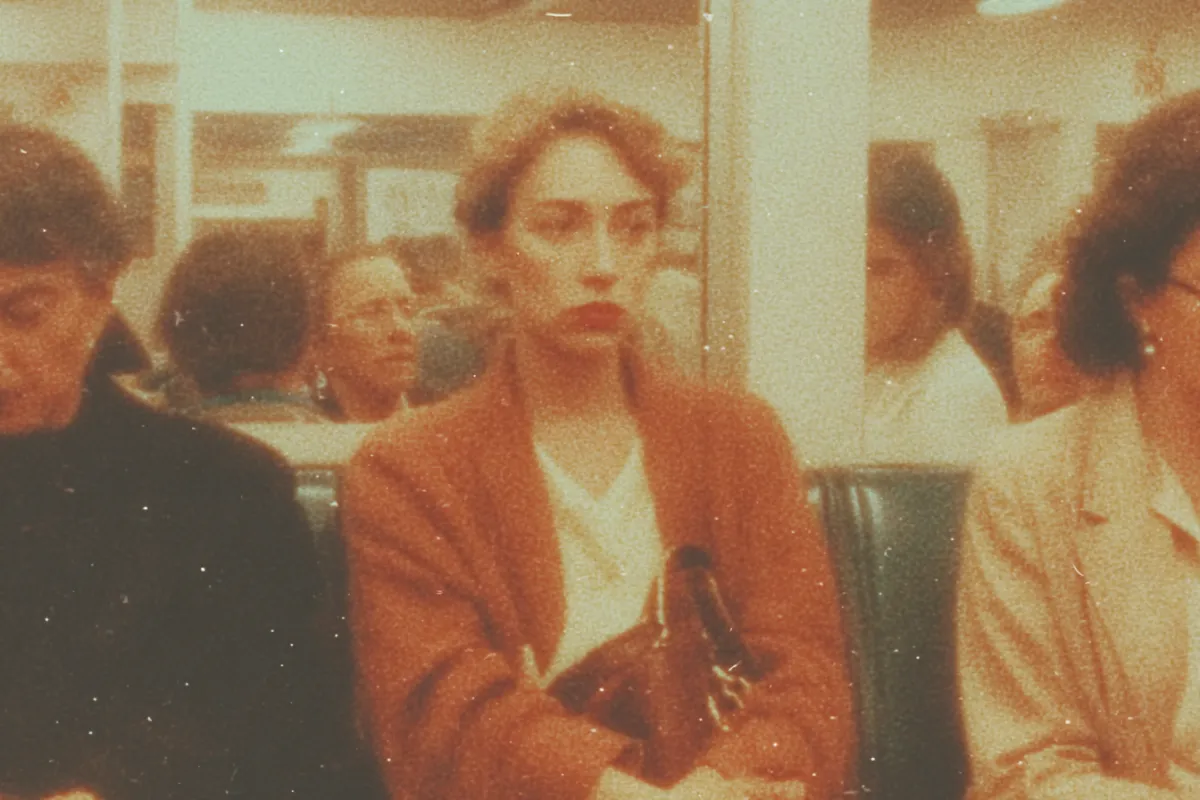
Prevalence and causes of anxiety in older adults
Anxiety disorders in older adults are significantly under-diagnosed in Spain. Many healthcare professionals attribute the symptoms — restlessness, insomnia, palpitations, excessive worry — to the natural ageing process or to co-existing physical illnesses, without exploring the psychological component. As a result, treatment is delayed by an average of 4.7 years from the onset of the first symptoms, or never initiated at all. This delay has serious consequences: untreated anxiety tends to become chronic and complicated by depression, insomnia, and progressive social isolation.
The most frequent triggers include bereavement, diagnosis of chronic illness, reduced mobility, fear of becoming dependent, and a sense of losing control over one's own life. Anticipatory anxiety about falls is particularly prevalent: it affects more than 40% of older adults who have previously experienced a fall, constraining their daily activity and worsening social isolation. This spiral of fear, inactivity, and loneliness constitutes one of the most common mechanisms of accelerated functional decline in old age.
Impact on physical health and quality of life
Chronic anxiety in older adults affects not only emotional wellbeing but has direct consequences on physical health. It is associated with a higher risk of cardiovascular disease, high blood pressure, and digestive problems, as well as a weakened immune system. Older adults with anxiety visit their doctor up to 60% more frequently than peers without this diagnosis, placing additional pressure on primary care services and generating a disproportionate consumption of healthcare resources that could be reduced with appropriate early intervention.
Sleep quality is another area severely affected. More than 70% of older adults with anxiety disorders regularly report insomnia or non-restorative sleep. Sleep deprivation in turn feeds anxiety and accelerates cognitive decline, creating a cycle that is difficult to break without appropriate intervention. This link between anxiety, insomnia, and cognitive decline makes early intervention a public health priority, not only for the patient's emotional wellbeing but for the prevention of dementia.
The care gap and emerging responses
Spain has limited mental health resources specifically targeted at older adults. According to IMSERSO data, in 2025 only 12% of primary care centres had a clinical psychologist with psychogeriatric training. This shortage means many older adults rely exclusively on anxiolytic medication, which can cause dependency and adverse effects in this age group. The Spanish Medicines Agency estimates that over 30% of older adults with anxiety use benzodiazepines long-term, with risks of tolerance, falls, and cognitive decline.
Against this backdrop, complementary alternatives rooted in technology and social companionship are emerging. Regular conversation programmes — whether with trained volunteers, social workers, or AI-powered companionship services like Hermet — have been shown to reduce anxiety levels in older adults living alone, by providing a consistent point of contact and a sense that they are not facing life on their own. These interventions do not replace clinical treatment, but offer a valuable and accessible complement.
Comorbidity and the social dimension of anxiety in old age
Anxiety in older adults rarely presents in isolation. Sixty-eight percent of cases co-occur with depressive symptoms, and coexistence with chronic insomnia exceeds 70%. This high comorbidity complicates both diagnosis and treatment, as each disorder masks or amplifies the symptoms of the other. Primary care professionals, who have an average of 7 minutes per consultation, cannot always address this clinical complexity, reinforcing the need for integrated approaches.
The social dimension of anxiety in old age is equally significant. Older adults with anxiety disorders progressively reduce their social participation, avoid leaving home, and decline activities they once enjoyed. This withdrawal deepens loneliness and accelerates the loss of social and cognitive skills. Breaking this cycle requires interventions that combine clinical care with regular human contact, whether in person or by phone, to restore the older person's confidence in their ability to engage with the world.