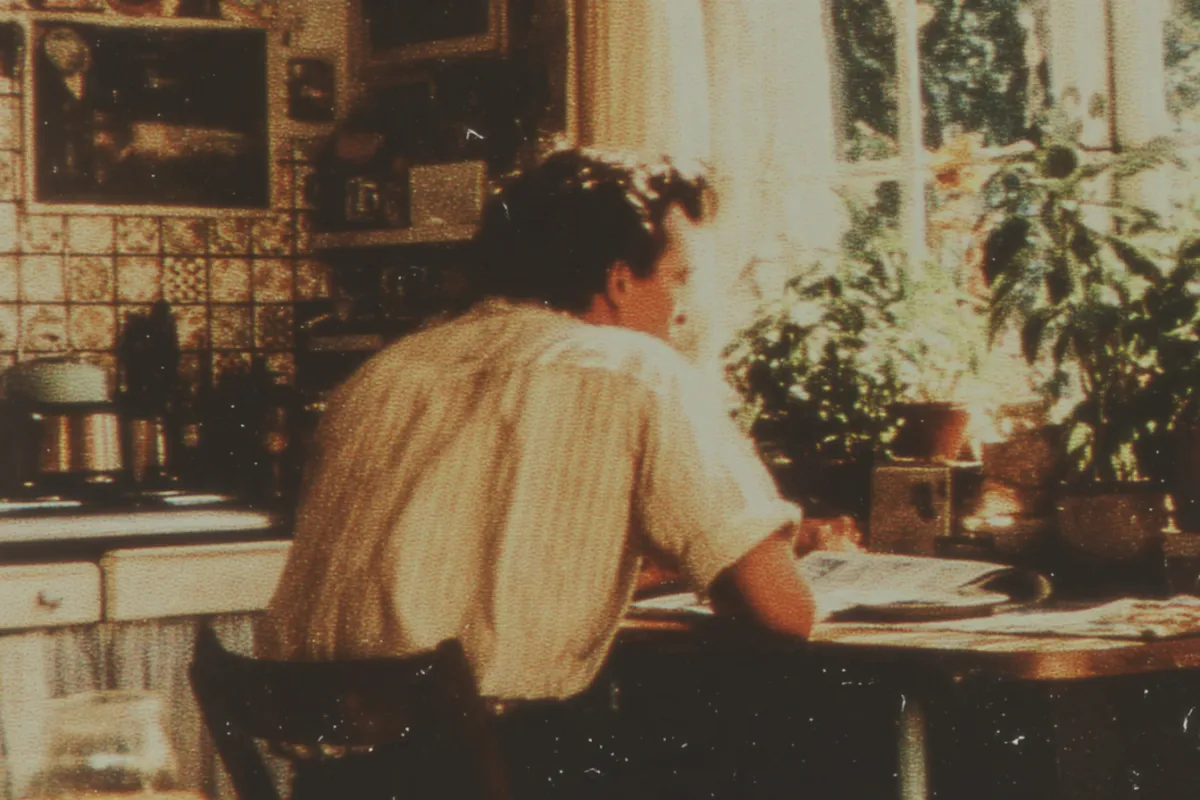
Build a daily routine that gives you structure
Research from the University of Nottingham has shown that predictable routines lower cortisol levels and improve the sense of control in older adults living alone. Having regular times for waking, eating, walking or resting organises the day and provides emotional stability. You don't need rigidity — just a few simple habits that act as small anchors throughout the day, giving you something to look forward to and a rhythm of your own.
Start each morning with a quiet cup of tea while listening to the radio at nine, save the afternoon for a half-hour stroll around the neighbourhood, and wind down with some reading before bed. That rhythm turns the day into something that belongs to you, rather than a stretch of empty hours.
Stay in touch with someone every day
According to the World Health Organisation, social isolation in older adults increases the risk of premature mortality by 26 per cent. A phone call, a visit, or even a brief chat with a neighbour can make an enormous difference to your mood and your health. Daily human contact is one of the best remedies against loneliness, and it needn't be long or deep to have an effect — what matters is consistency and knowing that someone is keeping an eye out for you.
Arrange a short morning call with a family member or friend, even if it's just five minutes. If one day they can't make it, a service like Hermet fills that gap so that no day passes without someone listening to you and making you feel accompanied.
Make your home a safer place
Falls are the leading cause of accidental hospital admissions among over-65s, according to NHS data, and the majority happen at home. Most can be prevented with straightforward changes. Check that your home has good lighting, clear floors, grab bars in the bathroom, and emergency numbers within easy reach. These small adjustments don't just prevent accidents — they give you the confidence to move around your home without worry.
Install a motion-sensor light in the hallway for night-time, remove any loose rugs that could cause slips, and fit a grab bar beside the shower. If you also keep a torch by the bed, any trip to the loo at night becomes much safer.
Eat well even when dining alone
When you live alone, it's easy to neglect nutrition or fall into quick, less nourishing meals. Research by Age UK suggests that up to a third of older adults living alone have some form of nutritional deficiency. Eating well isn't only about physical health — preparing a proper meal, sitting at the table and enjoying the moment is also a form of emotional self-care that structures the day and gives you something pleasant to look forward to.
Cook a couple of hearty meals on Sunday — a vegetable stew, a lentil soup — and freeze individual portions. You'll always have a home-cooked meal ready without daily effort, and the cooking itself becomes a satisfying weekend activity.
Find activities that bring you joy
Keeping your mind active and having something to look forward to each day is essential for both emotional and cognitive wellbeing. Research in psychogerontology shows that older adults who engage in purposeful activities — reading, gardening, crafting, walking — experience less cognitive decline and higher levels of life satisfaction. What matters is that the activity genuinely appeals to you, not that it's productive or impressive.
If you enjoy reading, join a book club at your local library — you'll discover great books and meet people who share your interests, and it gives you a reason to leave the house each week. If you prefer something quieter, tending a few pots on the balcony can be just as rewarding.
Have a plan for emergencies
Living alone makes it especially important to have a clear plan for emergencies. Knowing what to do and whom to call reduces anxiety about the unexpected and can make a real difference in an urgent situation. It's essential that someone you trust has a copy of your keys, that you carry basic medical information with you, and that emergency numbers are clearly visible. Being prepared isn't pessimism — it's giving yourself peace of mind.
Prepare a card with your name, a family member's phone number, your regular medication and any allergies, and keep it in your wallet at all times. Leave a spare set of keys with a trusted neighbour and stick emergency numbers on the fridge in large, clear print.
Look after your mental health as carefully as your physical health
Prolonged loneliness can lead to low mood, anxiety, or even depression. The Royal College of Psychiatrists notes that these problems are often underdiagnosed in older adults living alone, simply because there is nobody nearby to notice the changes. Paying attention to how you feel, recognising when you've gone too many days without motivation, and asking for help if you need it is every bit as important as having your annual check-up.
If you notice you've gone several weeks without wanting to go out, struggling to sleep, or feeling a sadness that won't shift, book an appointment with your GP and tell them about it. You don't need to wait until things are truly bad before seeking guidance.
Embrace technology at your own pace
You don't need to be a tech expert to use technology to your advantage. A simple phone can become a window to the world — video calls with family, music, audiobooks, or even medication reminders. The key is to go step by step, without pressure, and ask for help setting up what you need. Data from the Office for National Statistics shows that older adults who use some form of digital communication daily report lower levels of loneliness.
Ask a family member to set up your phone with larger text and show you how to make a video call. Start with just one thing — perhaps sending a voice message each morning to say hello — and add more at your own pace, without any pressure.
Nurture relationships in your neighbourhood
Neighbours are often the most accessible people in the daily life of someone living alone. Maintaining friendly relationships with them doesn't just enrich your social life — it creates an informal safety net of real value. Research by the Campaign to End Loneliness found that around 40 per cent of domestic emergencies among older adults living alone were first spotted by a neighbour.
Make the most of chance meetings in the hallway or at the local shop to have a quick chat. If a neighbour offers to pick up your bread when she goes out, accept — those small gestures of give-and-take weave a web of trust that will be there when you need it.
Don't normalise feeling unwell
Many older adults living alone end up accepting that feeling sad, tired or isolated is simply par for the course at their age. But it isn't. Sustained emotional distress is not an inevitable consequence of living alone or of getting older — it's a signal that something needs attention. Talking about how you feel, whether with a relative, a friend or a professional, is the first step towards feeling better. You deserve to feel well, and there are resources available to help.
If someone asks how you are and your automatic reply is 'oh, mustn't grumble', pause for a moment and think about whether you really are all right. If you've gone weeks without enjoying anything, mention it to your GP or ring a helpline for older people.